
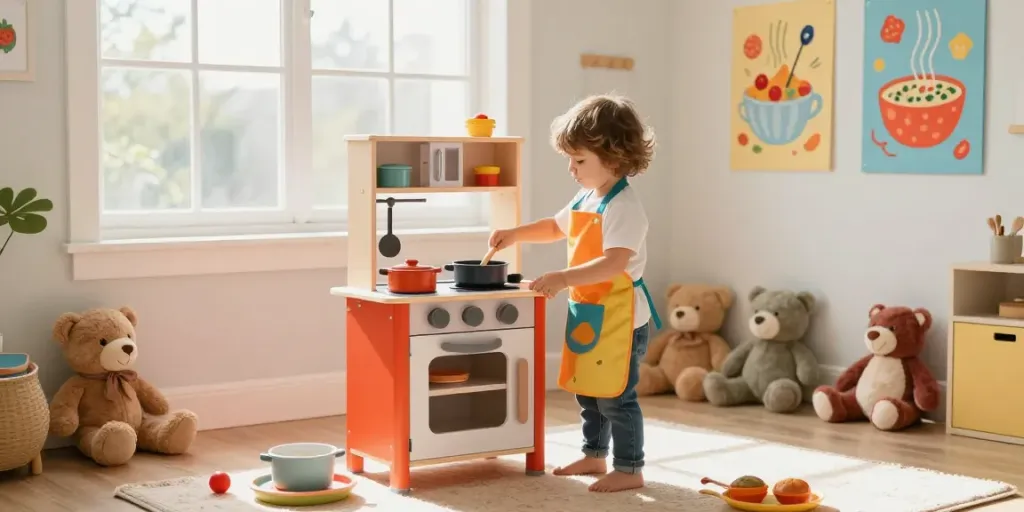
The Benefits of Kids Kitchen Sets for Early Learning
Kids kitchen sets are more than just playful props; they serve as valuable tools that contribute significantly to early childhood development. By facilitating imaginative role play, these sets encourage children to engage creatively while learning essential life skills. From nurturing social interactions to enhancing fine motor skills, kids kitchens provide a platform for holistic growth. When exploring options, kids kitchen sets are a wonderful investment for both educational and fun experiences.
Encouraging Imagination and Creativity
One of the most significant advantages of kids kitchen sets is their ability to spark imagination. Children often emulate the cooking processes they observe at home, which allows them to mimic real-life scenarios in a safe environment. By pretending to chop vegetables or bake cakes, kids are not only having fun but also developing storytelling skills as they create narratives around their play. This imaginative play nurtures creative thinking, which is essential for problem-solving in later life.
Developing Social Skills Through Role Play
Playing with kitchen sets often involves multiple children, fostering collaboration and communication. As kids take turns cooking, serving, and playing various roles, they learn to share and cooperate. These interactions teach valuable lessons about teamwork and empathy. Furthermore, using kitchen sets encourages discussions about food, culture, and health, enriching their vocabulary and understanding of the world around them.
Enhancing Motor Skills and Coordination
Manipulating small kitchen tools, arranging food items, and serving dishes require significant hand-eye coordination. Children develop fine motor skills as they practice grasping utensils, opening and closing kitchen appliances, and pouring pretend liquids. This hands-on experience is crucial for their physical development, making kitchen play not only entertaining but also beneficial for their growth.
Choosing the Right Kids Kitchen Set for Your Child
When selecting the perfect kitchen set, various factors need consideration to ensure it aligns with your child's needs and developmental stage. Choosing appropriately can enhance the benefits received from play.
Age-Appropriate Features and Sizes
Age is a critical factor when selecting a kids kitchen set. Sets designed for toddlers may feature simpler components and fewer pieces, while those for older children might incorporate more complex elements, such as multiple functions and larger sizes. It's essential to choose a kitchen that matches your child’s age to maintain their interest and safety.
Material Safety and Durability
Safety should always be a priority when it comes to children’s toys. Look for kitchen sets made from non-toxic materials, such as BPA-free plastics or sustainably sourced wood. Additionally, durability is crucial, as high-traffic play areas can lead to wear and tear. Opt for well-constructed sets that can withstand the rigours of enthusiastic play.
Design and Aesthetic Appeal
The design of a kids kitchen set can influence a child's engagement. Sets that are visually appealing and resemble real kitchens can entice children to play longer and more creatively. Bright colours and interactive features, such as lights and sounds, can elevate the play experience and stimulate sensory exploration.
Engaging Activities to Maximise Playtime
To get the most out of kids kitchen sets, parents can introduce various engaging activities that make playtime educational and fun. Here are some ideas to inspire creativity and learning.
Creating Fun Cooking Scenarios
Encourage your child to invent different cooking scenarios. This could include hosting a dinner party for family members or preparing a meal for their favourite toys. These scenarios can enhance storytelling and help children develop social skills as they navigate roles and interactions.
Incorporating Educational Games
Introduce educational elements into playtime by incorporating learning games. For example, while pretending to bake, you can discuss measurements, ingredients, and nutrition. You can also use this opportunity to teach children about different cultures by preparing traditional dishes from around the world.
Organising Role-Playing Events with Friends
Arrange playdates where friends can come over and join in the kitchen fun. This not only encourages social interaction but also promotes collaboration as they cook together and serve each other meals. Role-playing events can be an excellent way for children to practice negotiation and communication skills in a playful setting.
Maintaining and Caring for Kids Kitchen Sets
Proper maintenance of kids kitchen sets is essential to ensure longevity and continued engagement. Here are some practical tips for keeping these playsets in top condition.
Cleaning and Sanitising the Toys
Regular cleaning is vital, especially since kitchen sets can harbour bacteria and dirt from play. Use mild soap and water to clean surfaces regularly, and ensure any food items are also cleaned according to their material. Cleaning not only protects children’s health but also helps preserve the quality of the toys.
Storage Solutions for Small Spaces
Finding space to store kids kitchen sets can be a challenge, especially in smaller homes. Consider using stackable storage bins or wall-mounted shelves to keep the kitchen set accessible yet tidy. Encouraging kids to help with storage can also teach them responsibility and organisation skills.
Significant Repairs and Maintenance Tips
Over time, wear and tear may necessitate repairs. Ensure that any broken parts are replaced promptly to maintain the safety and functionality of the kitchen set. A set that comes with a warranty can also ease concerns about future repairs. Regularly inspect the set for any missing pieces to ensure a complete and engaging play experience.
Future Trends in Kids Kitchen Sets by 2026
The toy industry is evolving, and so are kids kitchen sets. Keeping an eye on emerging trends can help parents choose the best options for their little chefs.
Integration of Technology in Play Kitchens
By 2026, we can expect to see more sophisticated technology infused in kids kitchen sets. Features like smart appliances that react to voice commands or interactive screens giving cooking tips could enhance the role-playing experience. This tech integration could help children learn concepts of technology and engineering at an early age.
The Rise of Eco-Friendly Kitchen Sets
As environmental awareness grows, eco-friendly kitchen sets made from sustainable materials are likely to gain popularity. Brands will increasingly focus on reducing their carbon footprint and promoting responsible consumption, appealing to eco-conscious families.
Enhanced Customisation Options for Kids
Customization is set to become a key trend in kids kitchen sets, allowing children to personalise their kitchens. Options for choosing colours, themes, and even modular components can empower children by allowing them to create a space that reflects their personality and preferences.
What is the best kitchen for kids?
The best kids kitchen will depend on your child's age, interests, and the features that will stimulate their play. Look for well-reviewed sets that offer durability, safety, and an array of interactive features.
What age to get rid of kids kitchen?
Most children outgrow their kitchen sets by age 8 to 10, depending on their interests. However, some may continue to enjoy play kitchens into their pre-teen years, especially if they incorporate more complex elements.
How much does a kitchen set for kids cost?
The price of kids kitchen sets varies widely, ranging from budget-friendly options at around £50 to high-end, premium sets that can cost several hundred pounds. The investment often correlates with features, materials, and brand reputation.
Where can you buy kids kitchens?
Kids kitchens are available at many retailers, both physical stores and online platforms. Well-known toy companies and department stores often carry a variety of options to suit different preferences and budgets.
What features should I look for in a kids kitchen set?
Key features to consider include size, material, safety certifications, and interactive elements like appliances that light up or sound effects. Additionally, the design should foster imaginative play and cater to your child's developmental needs.